




Savage L&B Dodge Chrysler Jeep

Blog / Automotive History

5 Dodge Facts You Probably Didn't Know

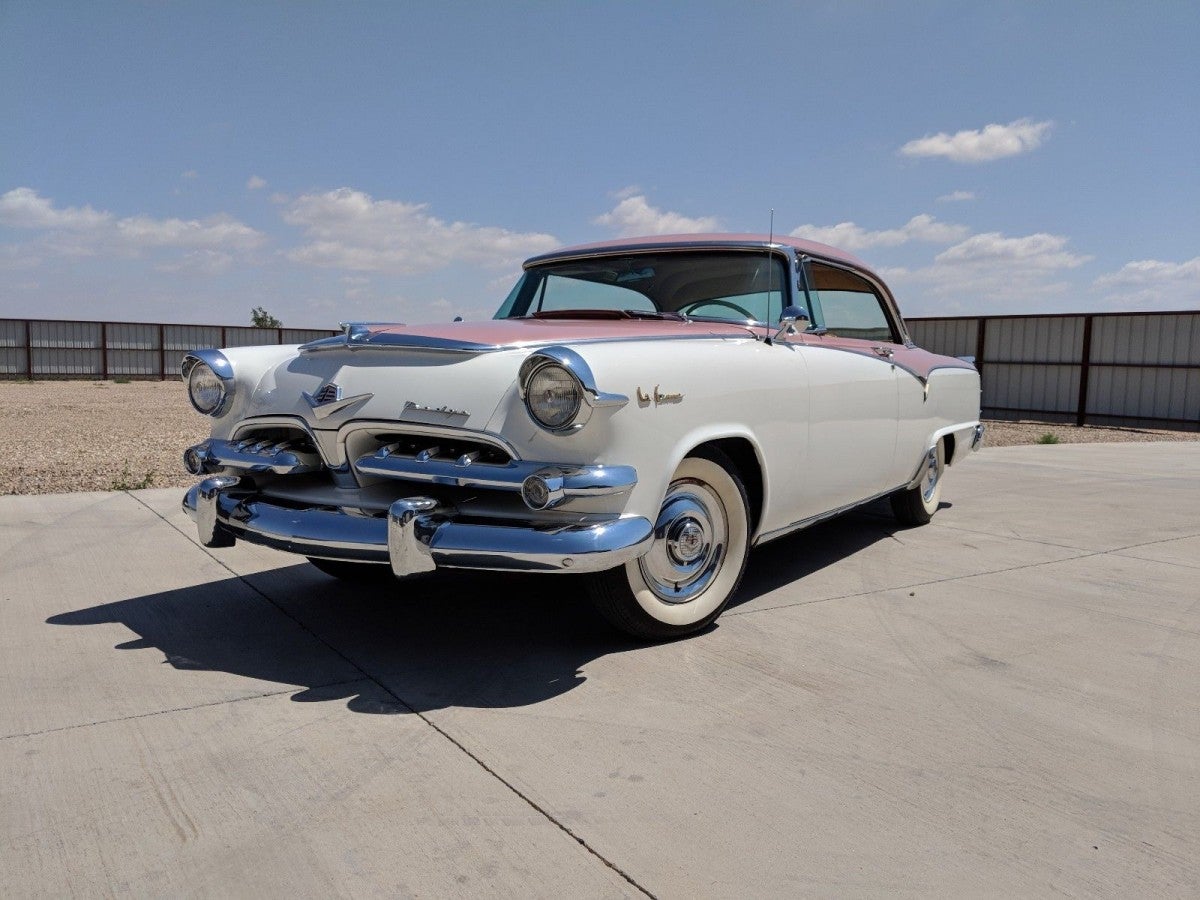
DodgeLaFemme3

When the brothers Dodge - Horace Elgin and John Francis - founded the Dodge Brothers Company in 1900, they weren't thinking about fast cars. In fact, Horace was busy patenting a dirt-resistant bicycle bearing in 1896. The following year, production began for the Evans & Dodge Bicycle Company.

Thankfully, in 1901, the mechanically-inclined siblings shifted gears towards automobiles. The rest, as they say, is history. By 1903, they partnered with the up-and-coming Ford Motor Company to produce engines and transmissions. Then, in 1914, they launched the very first Dodge vehicle. By 1915, Dodge had become the third best-selling automaker in America. From their modest beginnings in Niles, Michigan, the Dodge brothers moved on from bicycles and set up one of the most prosperous auto manufacturing companies in the nation.

Although both brothers passed away in 1920, neither could have predicted the enduring legacy of Dodge. In 1928, their family sold the company to Chrysler, where it continues to thrive as their mid-priced brand. Despite its ongoing success, there are still plenty of lesser-known tidbits about Dodge's history that might surprise you. Courtesy of Savage L&B, here are five to get you started.

Mechanizing the War Effort 

Back in 1916, Lieutenant George Patton Jr. took charge of the very first mechanized cavalry charge in the history of the U.S. Army. Patton commanded from a Dodge WC57 Command Car, and with the aid of just two additional Dodge vehicles and 15 soldiers, they went up against Pancho Villa, eventually vanquishing their lieutenants. As years and decades went by, these mechanized cavalry charges became standard for the American military. (Their final horse-mounted cavalry charge went down in the Philippines in the early days of 1942.)

Engineered to Excel 

Dodge has always been at the forefront of developing and testing new, high-performance engines. It all began way back in 1930 when Dodge introduced its inaugural eight-cylinder engine, coinciding with the introduction of factory-installed car radios. Due to the economic downturn of the Great Depression, the production of that engine ceased in 1934, making its return nearly two decades later in 1952. A full half-century later in 2014, history was made once more with the introduction of the Dodge Ram 1500, the very first compact pickup truck to include a diesel engine option.

One For the Ladies 

In the mid-1950s, Dodge launched the Dodge La Femme, a big car designed exclusively for women. With the increased participation of women during the car buying process at that time, Chrysler's marketing team developed the La Femme to capture a slice of the women's car market.

The La Femme's interior truly showcased the general feminine ideals of the 1950s. The 1955 models had pink rosebud upholstery against a soft silver-pink background. Each vehicle included a trendy keystone-shaped purse made of plush pink calfskin, equipped with various accessories. These accessories comprised of a face-powder compact, cigarette case, lipstick case, and coin purse. Furthermore, a special compartment behind the driver's seat stored a matching raincoat, rain bonnet, and umbrella made from the same rosebud fabric.

Despite its… let's call it unique appeal, the La Femme didn't achieve much success in the market. Dodge discontinued the line in 1957 after only two models were produced. So, if you're determined to drive through the streets of Robesonia in the most kitschy way possible this holiday season, you might have to do some intense browsing on eBay.

The Origin of the “Fratzog” Emblem 

From 1962 to 1976, Dodge rocked a logo crafted from three intertwined triangles. This funky geometrical arrangement was dubbed the "Fratzog." And how did it earn such a peculiar name, you wonder? In the early 60's, one of Dodge's designers needed a temporary title for the emblem and came up with the nonsense moniker "Fratzog." Simply put, the rest of the design team couldn't come up with anything better, so the Fratzog label stuck and continued to appear on steering wheel center hubs until the late 70's.

Highs and Lows on the Racing Circuit 

Dodge has been on both sides of racing glory and infamy. Lee Petty put Dodge on the racing map in 1953, when he became the first driver to earn a NASCAR victory for Dodge during a race in Palm Springs, Florida. 

But in 1971, the Indianapolis 500 was marred by a crash involving the Dodge Challenger serving as the race’s pace car. Eldon Palmer, a local Indianapolis-area Dodge dealer, lost control of the Challenger at the race’s start. It proceeded to crash into a photographer’s stand, injuring 29 people.

Drive a Dodge Into Tomorrow 

Here at Savage L&B, we can't wait to see what the future of Dodge holds, even as we honor its past. Check out our full inventory of new and used Dodge vehicles today, and - speaking of Dodge's future - be sure to keep up with the latest in electric vehicle developments. From service to parts, Savage L&B has everything you need to steer you into 2024, as you continue to write your own story.
Posted in:

Related Posts

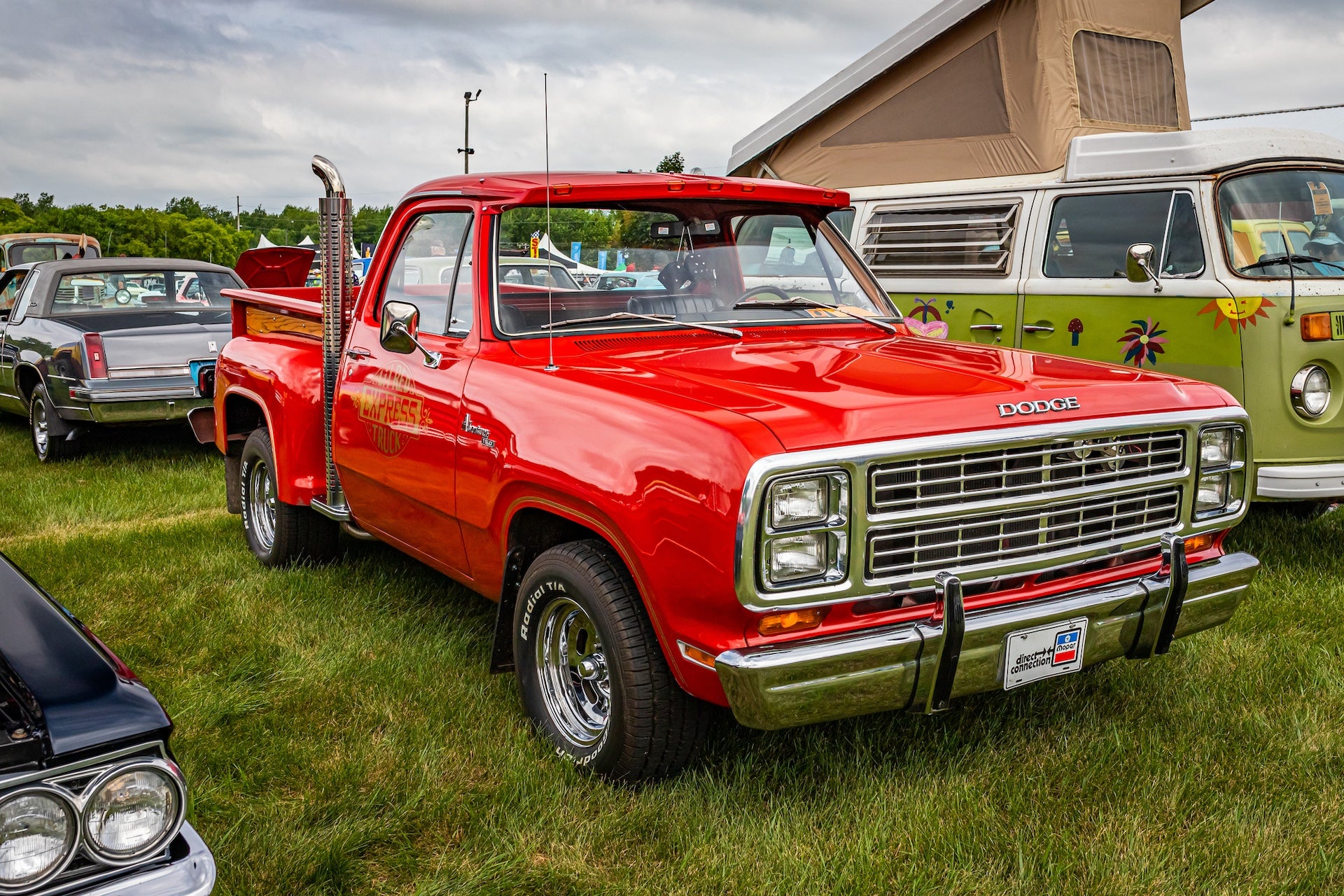
High perspective front corner view of a 1979 Dodge “Lil’ Red Express” Pickup Truck at a local car show.

Three Iconic Dodge Trucks to Honor Car Collector Appreciation Day

Ahead of Car Collector Appreciation Day on July 12th, let's explore three iconic classic Dodge trucks that have gained a dedicated following over the years. Since the advent of the horseless carriage, Americans have had a strong affinity for automobiles. Which of these historic Dodge trucks is your favorite? 1946-1978 Dodge Power Wagon Dodge began their truck production for the armed forces, but when GIs came home, many looked for alternatives to the familiar Jeep. That’s where the 1946 Dodge Power Wagon comes in. The Power Wagon evolved to include better brakes, a new pickup bed, and ‘civilian style’ controls as time passed. The Power Wagon was popular then and is just as popular today, making it incredibly accessible to vintage car collectors everywhere. 1957 Dodge D100 Sweptside The 1957 D100 was labeled the “most handsome truck on the road” due to its beautiful, smooth lines that made the luxury truck more than just a workhorse vehicle. Only 1,260 were built in its two years of production, making them extremely rare. Whether you’re lucky enough to find the base 120 hp inline-six flathead engine or the powerful 204 hp V8 version, the 1957 Dodge D100 Sweptside is a jewel in any collector’s crown. 1978 Dodge Li’l Red Express One of the fastest American vehicles during its 1978 production year due to its powerful V8 engine. The Dodge Li’l Red Express was developed as a response to the death of the muscle car due to rising insurance rates, the switch to unleaded gas, and strict safety and emissions standards. Realizing that most of the new laws didn’t apply to pickup trucks, the Express made its mark in the US. The truck’s unique styling with a step-side bed and oak wood trim made it stand out on the road for its design and beauty beyond its performance and power, becoming a collector’s item in the many years since. From Car Collector Must-Haves to Contemporary Power Dodge has been one of the leading pickup truck automakers, creating models that incorporate power, luxury, and design for drivers who work hard and play harder. As we celebrate car collectors this month with their exquisite taste, we look to Dodge’s current offerings of trucks that make everyday life easier and are sure to win their places in the history books of the future. At Savage L&B, we can help you find the vehicle that’s right for you. Whether you’re looking for a powerful pickup like the RAM 1500 or need a sports vehicle with power for the streets like the 2023 Dodge Challenger, our team of experts is excited to help you find a Dodge that fits your lifestyle from work to leisure. Visit our dealership for a test drive and take on the world in style with our powerful pickup trucks today!

New Jeep models

Jeep: The Original Off-Road Vehicle

There's a reason Jeep is known as the original off-road vehicle. It's been conquering terrain since 1941, and shows no signs of slowing down. Whether you're looking to take on some serious mud or just want a versatile ride for your daily commute, Jeep has what you need. Here's a closer look at this American icon. Starting in 1941 When it comes to off-road vehicles, there's one name that comes to mind - Jeep. Since 1941, Jeep has been engineering automotive greatness for both military and civilian drivers alike. During World War 2 it provided reliable, versatile transport for the world's armed forces, and since then its enduring reputation for world-class 4WD vehicles has been more than deserved. From rugged military vehicles to stylish SUVs, the Jeep range has never failed to impress. In short, they are the definitive statement in on-and-off-road refinement. Built for War The Willys MB was an iconic piece of machinery that played an integral role in one of humanity's darkest periods - World War II. This enamel green Army Jeep had an immense amount of strength and durability, taking its occupants through terrain that no other vehicle could handle. Its simple design meant it was easy to manufacture, allowing the US military to quickly produce the numbers they needed. Now beloved by collectors around the world, the Willys MB's original purpose is a testament to the lengths people were willing to go for freedom. The Original Civilian Jeep Oh, the classic CJ! To some, there is no vehicle more iconic. First released back in 1944, it was the first of Jeep's attempts at a civilian-ready model. Although YJ eventually took its place as the successor to CJ in 1987, its off-road capabilities still live on and have helped cement its position as one of the most recognizable names in the 4x4 world. Sturdy, reliable and oh-so rugged - from weekend adventurers to well-seasoned off-roaders - there's never been a Jeep like the CJ. The Iconic Jeep Wrangler The Jeep Wrangler YJ model, or simply Wrangler, is the original successor to the classic Willys CJ. It is the quintessential Jeep model beloved by generations of off-roading aficionados. Boasting a supple suspension and robust powertrain, it was an immediate hit when first introduced in 1986. YJ Wranglers came with an impressive array of options from a manual transmission four-cylinder to various sizes of automatic V8s. There have been plenty of tweaks over the years, but nothing beats the thrill of jumping into a YJ for some serious fun on the terrain. This iconic 4x4 will forever be associated with adventures both on and off the beaten path – so grab your keys and get out there! The King of Off-Road If you're looking for the ultimate off-road experience, then look no further than a Jeep. Whether mudding in the country or wheeling through rugged mountain passes, Jeeps are primed and ready to take on any terrain. With impressive capabilities and reliable performance, you'll never want your next adventure to end. And just imagine it: nothing but you, your Jeep, and the wide open dunes stretching across the horizon. No matter where you decide to go, the possibilities are virtually endless when it's a Jeep leading the way! Ready for Adventure? If you're looking for an off-road vehicle that can handle any terrain, Jeep is the way to go! With over 75 years of experience in making off-road vehicles, there's no other brand that knows more about what it takes to make a great 4x4. So if you're ready for adventure, visit Savage Chrysler Dodge Jeep RAM today and take one out for a spin! You won't be disappointed.

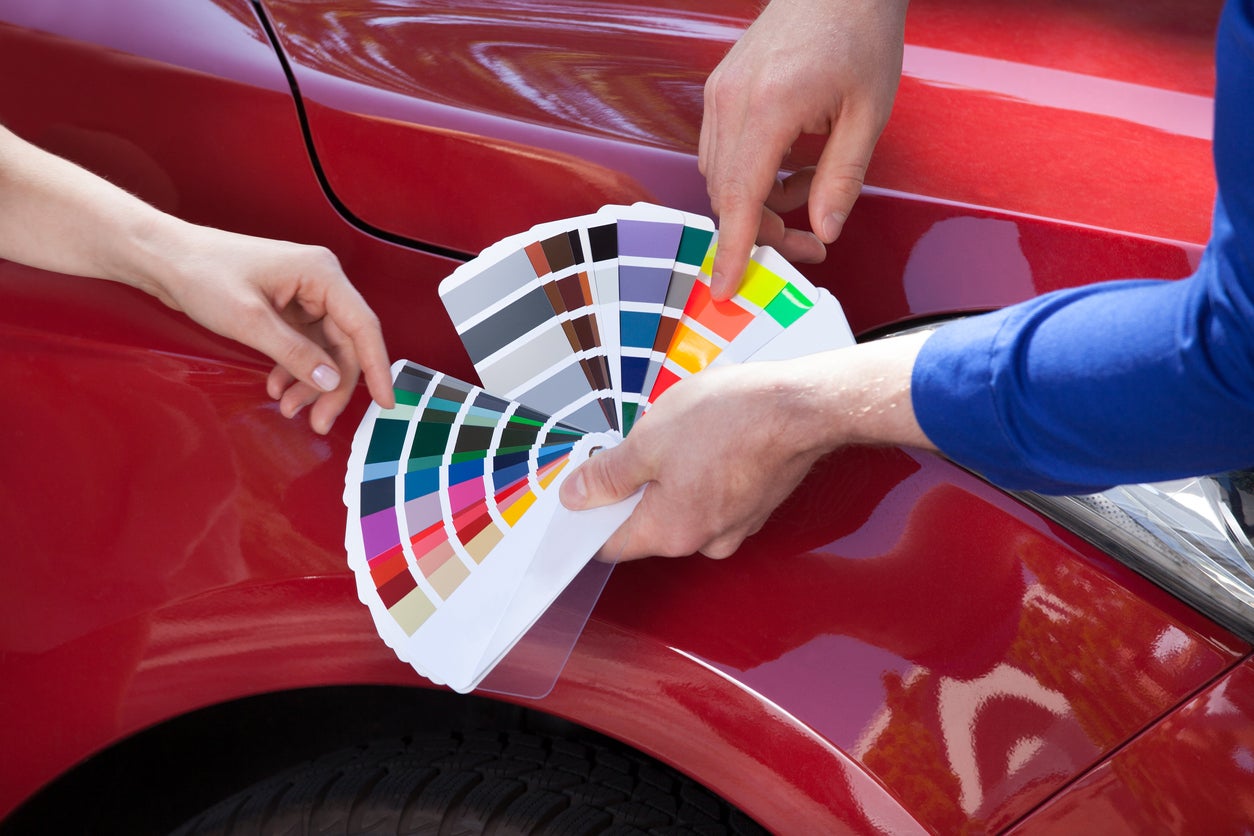
Mechanic Showing Color Samples To Customer Against Car

A Brief History of Car Paint Colors

Believe it or not, the colors that you see on cars today are the result of a long and complicated history. In the early days of the automobile, there were only a handful of colors to choose from. But as technology progressed and society evolved, so too did the palette of available car colors. Today, there are literally thousands of colors to choose from. Here's a brief history of how we got from there to here. The first cars were available in black, white, and gray. Black was by far the most popular color because it didn't show dirt and it was easy to keep clean. White was popular among rich people who wanted to show off their status. Gray was considered to be neither here nor there; it wasn't flashy like white and it wasn't as practical as black. By the 1920s, cars were available in a wide range of colors, including green, blue, brown, and even red. But black continued to be the most popular color among car buyers. In fact, nearly 60% of all cars sold in the 1920s were black. During the Great Depression, car sales plummeted and manufacturers began offering cars in a wider range of colors in an effort to boost sales. The most popular colors during this period were bright and cheerful shades like yellow and orange. By the time the 1930s rolled around, metallic paint was all the rage. If you wanted to show that you were wealthy and could afford the latest trends, you'd slap some metallic paint on your car. It was a status symbol. But it wasn't just the rich who could get their hands on metallic paint. Companies soon began to realize that they could use aluminum flakes to produce the paint, which made it much more affordable. So even people who weren't wealthy could have a car that shimmered and shone in the sun.. After World War II, car companies began offering more subdued colors like tan and beige. These colors were seen as more sophisticated and reflected the increased affluence of America's middle class. By the 1950s, pastel colors like pink and mint green had become extremely popular among female car buyers. In the 1960s, bright colors made a comeback as young people embraced psychedelic culture. This trend continued into the 1970s with the rise of disco culture. Common car colors during this period included gold, silver, and purple. Today, there are literally thousands of car paint colors to choose from. You can find cars in every color under the sun, from traditional shades like black and white to more daring hues like candy apple red and neon green. And thanks to modern paint technologies, you can even get your car custom-painted to match your favorite sports team or alma mater's colors. No matter what your taste may be, there's sure to be a car paint color that's just right for you. From the earliest days of the automobile up until today, car paint colors have come a long way. What started out as a limited palette has now exploded into a veritable rainbow of hues. So whether you're looking for something traditional or something that will make your car really stand out from the crowd, there's sure to be a color that's just right for you. Thanks for reading!